What is All-on-Four & All-on-Six?
One of the biggest challenges for individuals experiencing complete tooth loss is finding a solution that is both aesthetically pleasing and comfortable. Traditional removable dentures may not always provide the desired comfort. At this point, one of the most effective solutions offered by modern dentistry is All-on-Four and All-on-Six implant treatments. These systems make it possible to have fixed teeth with fewer implants.
All-on-Four and All-on-Six treatments are specialized implant techniques used for completely edentulous patients. In these methods, all teeth are fixed onto a specific number of implants. The All-on-Four system uses 4 implants, while the All-on-Six system uses 6 implants. The goal is to provide the patient with the comfort of fixed teeth by achieving maximum stability with minimum implants.
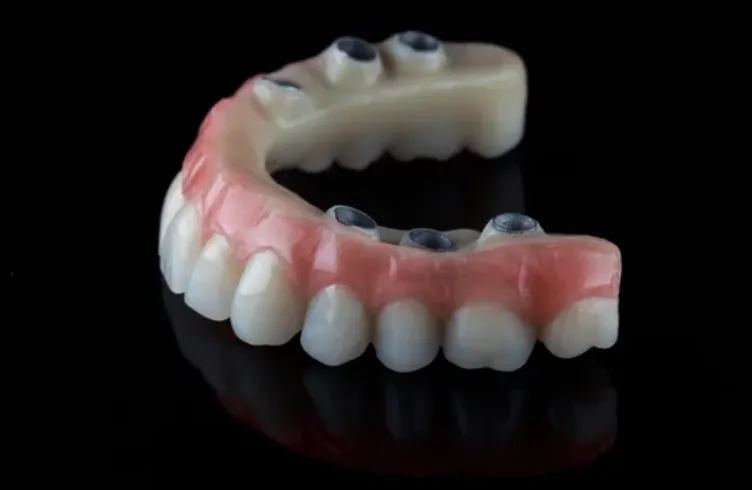
Many people wonder when first hearing about this treatment, "Are only 4 or 6 implants sufficient?" In fact, the most important feature of this system is that a broader support area is created by placing the implants at specific angles. This results in a durable and long-lasting structure. When proper planning is done, highly successful outcomes are achieved.
One of the biggest advantages of All-on-Four and All-on-Six treatments is that they provide the patient with fixed teeth in a short period. In most cases, temporary teeth can be placed on the same day the implants are inserted. This means the patient is never without teeth and can comfortably continue their daily life. This offers a significant advantage, especially for individuals with aesthetic concerns.
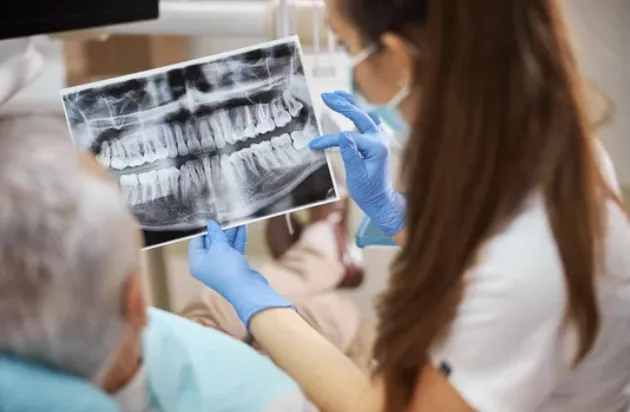
This treatment is generally suitable for patients who have lost all their teeth or have teeth that need to be extracted. It is an ideal option for those who do not want to use removable dentures and are seeking a fixed and comfortable solution. However, it may not be suitable for every patient. Jawbone structure, general health status, and oral conditions must always be evaluated.
The difference between All-on-Four and All-on-Six generally depends on the number of implants. Since the All-on-Six system involves more implants, it usually provides a stronger and more balanced structure. However, All-on-Four may be preferred for patients with insufficient bone structure. The choice of method is determined entirely based on the patient's condition.
The treatment process consists of specific stages. First, a detailed examination and planning are carried out. Then, the implants are placed into the jawbone. While the healing process continues, temporary teeth are fitted for the patient. After this process is complete, the permanent teeth are prepared and fixed. All these stages are planned with the patient's comfort in mind.
For individuals considering getting dental treatment in Turkey, All-on-Four and All-on-Six treatments are a very attractive option. Especially considering implant prices, the affordable dental treatment opportunities offered in Turkey provide a significant advantage. Treatments of the same quality can be performed at more accessible prices compared to many countries. This also highlights Turkey in terms of dental tourism.

Implant prices are one of the most curious aspects of this treatment. In All-on-Four and All-on-Six systems, the total cost varies depending on the number of implants used, the implant brand, and the type of prosthesis to be made. Therefore, a clear price can only be determined after a detailed examination. However, what matters here is not just the price, but the quality and longevity of the treatment.
The most common mistake people make when looking for affordable dental treatment is choosing the clinic offering the lowest price. However, in such comprehensive treatments, quality, experience, and correct planning are much more important. An incorrectly performed implant treatment can cause health problems and may require further intervention, which means additional costs.
Another significant advantage of All-on systems is that they largely restore chewing function. With fixed teeth, the patient can eat, speak, and continue their daily life comfortably. This brings about a major change, especially for individuals who have been edentulous for a long time.
For those with a fear of dental treatment, this process may seem difficult at first. However, thanks to modern techniques used today, implant procedures have become quite comfortable. Pain is not felt with local anesthesia, and in some cases, sedation or general anesthesia options can also be preferred. This allows the patient to go through the process much more comfortably.
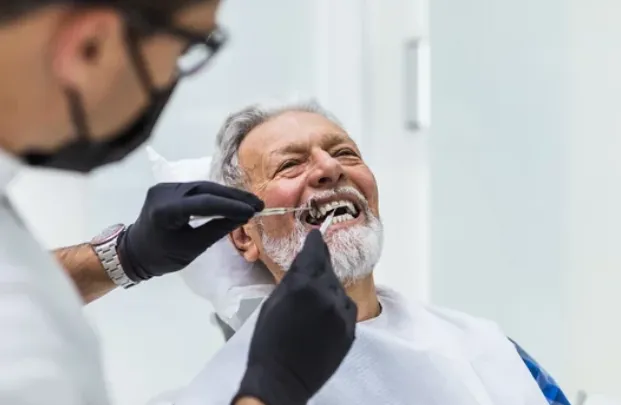
Post-treatment care is also very important. Regular brushing, attention to oral hygiene, and not skipping dental check-ups are necessary. This extends the lifespan of the implants and prostheses. Additionally, it is important to avoid biting hard foods with the teeth.
In conclusion,